 0
0
 0
0
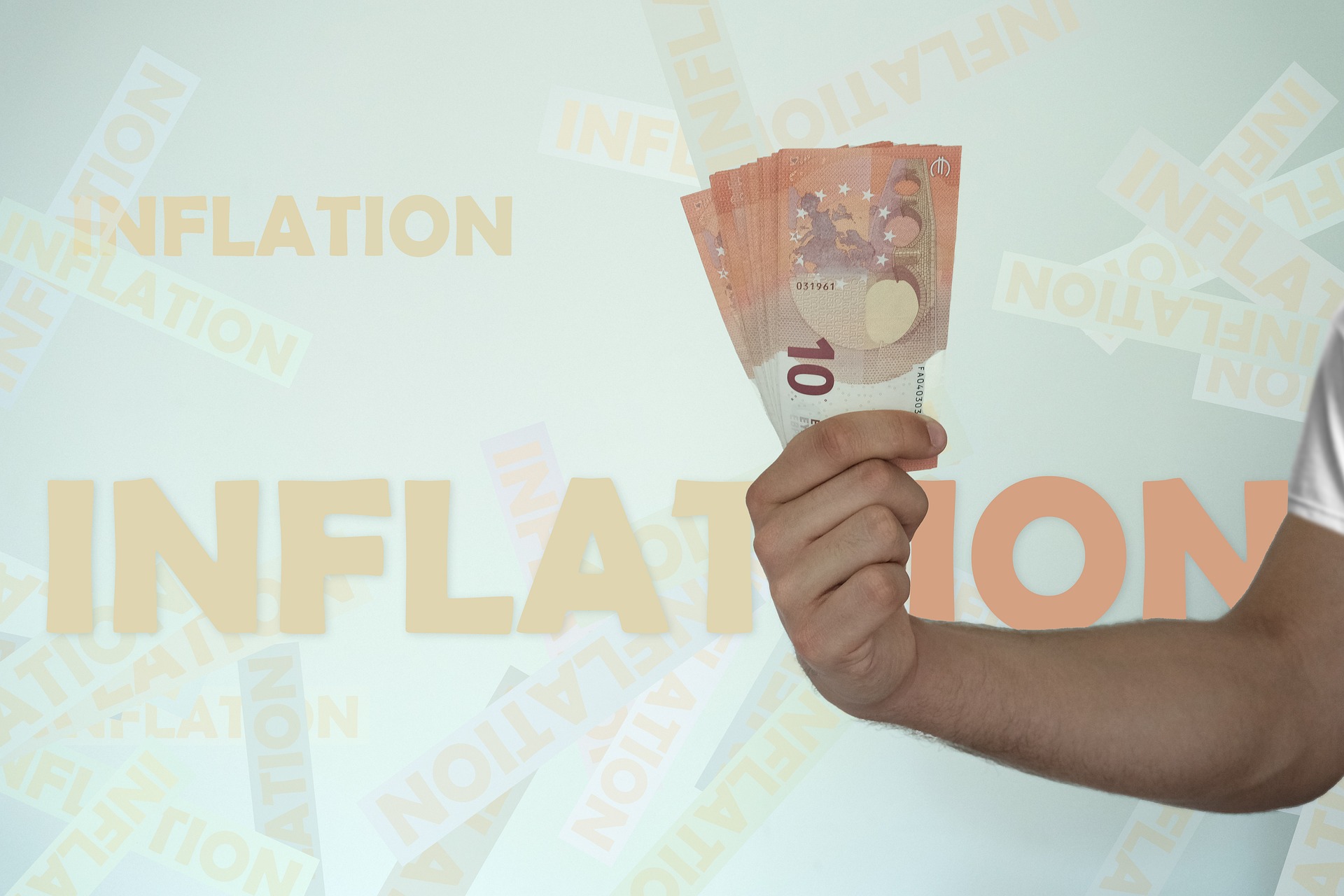
Austria’s inflation rate rose to 3.2% in March, meaning prices were on average 3.2% higher than a year earlier. Compared with February 2026, the overall price level increased by 1.2%. The final figure came in 0.1 percentage points higher than the flash estimate at the end of March. In February, inflation had still been at 2.2%.
What caused the jump?
The entire one‑percentage‑point increase from February to March is almost entirely due to soaring fuel and heating‑oil prices, triggered by the Iran war and the blockade of the Strait of Hormuz.
However, according to Manuela Lenk of Statistics Austria, services remained the most important underlying driver of inflation. Food inflation eased slightly.
Inflation drivers in detail
Transport: the biggest driver
- Transport prices: +6.4%
- Contribution to overall inflation: +0.87 percentage points
- Fuel prices: +17.5% (after –5.1% in February)
This made transport the strongest inflation driver year‑on‑year.
Restaurants & hotels
- Prices: +5.1% (same as February)
- Contribution: +0.65 percentage points
Service prices remain structurally high.
Housing, water, electricity, gas
- Prices: +2.7%
- Contribution: +0.56 percentage points
- Electricity: –8.3% (one of the few items that became cheaper)
Food and non‑alcoholic beverages
- Prices: +2.3%
- Contribution: +0.27 percentage points
- Slightly weaker price pressure than in February
Items that became cheaper
According to Statistics Austria, some products actually fell in price in March:
| Product | Price change |
|---|---|
| Butter | –24.6% |
| E‑bikes | –15.8% |
| Electricity | –8.3% |
- source: kleinezeitung.at/picture: pixabay.com



This post has already been read 3060 times!